|
|
 |
 |
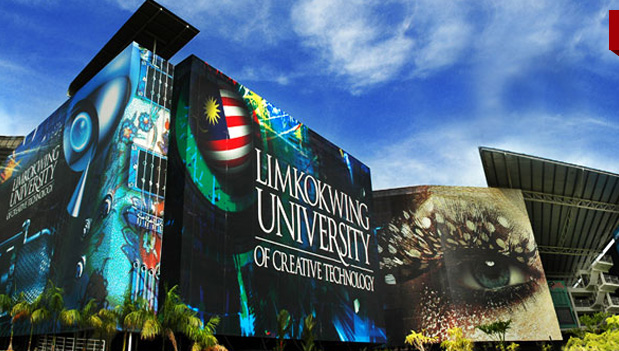
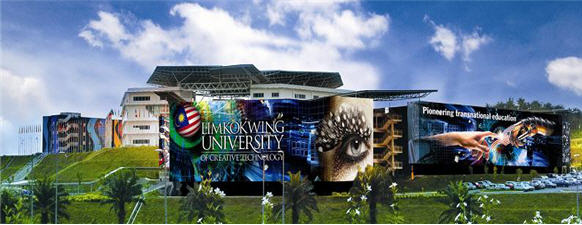
About LIMKOKWING UNIVERSITY |
 |
 |
|
|
|
| |
 |
_Contact Us |
|
|
|
|
Through six faculties – Design Innovation, Multimedia Creativity, Communication, Media & Broadcasting, Information Technology & Computing, Business Management & Globalisation and Architecture & Built Environment – the university runs an extensive range of programmes. Its Executive Leadership College also offers specially tailored courses in leadership, entrepreneurship, finance and information technology.
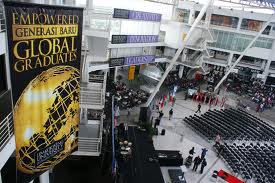
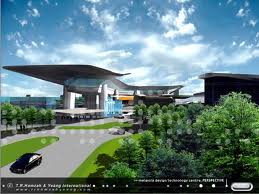
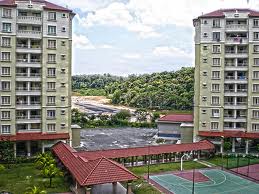
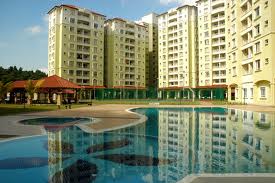
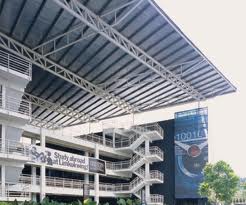
The campus itself is everything a student needs. Among the facilities and amenities available to students are a coffee house, a food plaza with various styles of food, a gym, a hair salon and a convenience store. Students also make use of an art shop, a print shop, a medical clinic, an eLibrary and state-of-the-art computer labs.
Come join us at Limkokwing and explore the best opportunities you can have to become the most employable graduate in the world. Whether you choose to complete your studies at our main campus in Cyberjaya or enhance your studies with an overseas stint in London ,New York, Bali, etc you gain from the global exposure and the specialised focus on knowledge and skills.
|
|
| |
 |
|
|
 |
|
|
|
The courses on offer are as follows |
|
|
|
|
|
| |
| Faculty of Business |
Faculty of Communication and IT |
1) B Bus (Hons) in Accounting
2) B Bus Administration (Hons)
3) B Bus (Hons) in International Business
4) B Bus (Hons) in Marketing
5) B Bus (Hons) in Entrepreneurship
6) BA (Hons) in Human Resource Management
7) B Bus (Hons) in Hospitality Management
8) BA (Hons) in Sports, Health & Fitness Management
9) Bachelor of Public Management (Hons)
10) BA (Hons) in Tourism Management
11) BA (Hons) in Business & Quality Management |
|
1) BSc (Hons) in Business Information Technology
2) BSc (Hons) in Electronic Commerce
3) BSc (Hons) in Games Technology
4) BSc (Hons) in Information Technology
5) BSc (Hons) in Mobile Computing
6) BSc (Hons) in Software Engineering with Multimedia
7) BSc (Hons) in Information and Communication Technology |
|
| Faculty of Design Innovation |
Faculty of Multimedia Creativity |
1) Bachelor Design (Hons) in Professional Design (Visual Communication)
2) BA (Hons) in Industrial Design
3) BA (Hons) in Fashion & Retailing
4) BA (Hons) in Surface Design
|
|
1) BA (Hons) in Animation
2) BA (Hons) in Creative Multimedia
3) BA (Hons) in Game Art Development
4) BSc (Hons) in Web Design and Technology
5) BA (Hons) in Sonic Design |
|
| Faculty of Communication,Media and Broadcasting |
Faculty of Architecture and Built Environment |
1) BA (Hons) in Professional Communication
2) BA (Hons) in Digital Film & Television
3) BA (Hons) in Event Management
4) BA (Hons) in Broadcasting & Journalism
|
|
1) BA in Interior Architecture
2) BSc (Hons) of Construction Management
3) BSc (Hons) of Construction Management
4) BSc (Hons) of Facilities Management
5) BA (Hons) in Landscape Architecture
6) BA (Hons) in Urban Planning & Design
7) BSc (Architectural Studies)
8) Bachelor of Architecture |
|
|
|
|
|
|
|
Universities |
|
|
|
|
|
| |
| Curtin University,Australia |
Anglia Ruskin University,UK |
 |
| |
BA(Hons) in Interior Design
Bach of Applied Science(Arch Sc)
BA in Mass Communication
Bachelor of Arts(Design)
|
|
|
 |
| |
Bachelors Programs
BSc (H) in Accounting & Finance
BA (H) in Business Management
BA (H) in Marketing
BA (H) in International Management
BA (H) in Tourism Management
BSc (H) in Business Information Systems
BSc (H) in Computer Sc
BSc (H) in Computer Gaming and Animation Tech |
|
Masters Programs
MA in International Contemporary Art and Design Practice
Master of Communication
MBA in Communication and Public Relations
MBA in Finance and Banking
MBA in Human Resourse Management
MBA in Leisure and Tourism Management
MBA in Multimedia Management
MBA in Sports Management
Post Graduate Diploma in Education
Doctorate Programs
Doctor of Business Administration
PhD in Creative Industries and Art Practice
PhD in Management |
|
Foundation and Diploma Programs
Foundation in Built Environment
Foundation in Business
Foundation in Communication
Foundation in Design
Foundation in Information Technology
Diploma in Architectural Technology
Diploma in Interior Design
Diploma in Communication
Diploma in Multimedia,Advertising and Broadcasting
Diploma in Graphic Design Technology
Diploma in Fashion and Retail Design
Diploma in Product Design
Diploma in Interactive and Multimedia Design
Diploma in Animation and Multimedia Design
Diploma in Games Art
Diploma in Sound and Music Technology
Diploma in Hair Design
Professional Diploma in Sound and Music Design |
|
|
|
|
|
|
|
Foundation in built Environment 
|
|
|
|
|
|
| |
The Foundation programme provides the fundamental and broadband knowledge and skills to those who aspire to be involved in the field of architecture and the built environment. It is a preparatory programme into the field of architecture and the built environment prior to continuing the tertiary level leading to a degree qualification. The programme encompasses all aspects of creative and critical thinking through design, theory and skill-based modules, understanding the historical background of the built environment, mathematics, its applications and other related aspects. It also serves as a catalyst to opening a student’s mind in order to adapt to the new field of knowledge.
The Limkokwing Foundation programme is specifically designed for students to enter University immediately after high school. Equivalent to an STPM/ Yr12/‘A’ Levels qualification, students will access Limkokwing’s wide range of undergraduate Bachelor’s Degree programmes upon successful completion of the Foundation year.
The Foundation programme relies on intensive English training that is applied through communication modules of the programme. Native English speakers can spend more time on professional writing, reporting, creative writing, etc.
Students who have completed a recognized STPM/ Yr12 /A’ Levels or equivalent higher certificate or diploma programme with the required subjects and credits may be exempted from the Foundation programme upon review of their past results or portfolio (where applicable).
|
| Entry requirements |
• Pass SPM/SPMV/O Levels with 5 credits including English language; OR
• Any other equivalent qualifications recognized by the Malaysian Government
International Students
For non-Malaysian citizens, please refer to the Malaysian Qualification Agency’s (MQA) List of Overseas Qualifications & its equivalency with Malaysian Education System (PDF) to see if you qualify for this course.
|
| Programme structure |
Year 1 |
Semester 1 |
Semester 2 |
Semester 3 |
Introduction to Design 1 |
Introduction to Design 2 |
Introduction to Design 3 |
Drawing 1 |
Drawing 2 |
Drawing 3 |
Foundation Mathematics 151 |
Measurements and Applications 152 |
History and Cultural Studies 2 |
Introduction to Built Environment |
History and Cultural Studies 1 |
Building Technology & Concepts 2 |
Foundation English 151 |
Foundation English 152 |
Introduction to Project Management |
Malaysian Studies* |
Bahasa Kebangsaan A/B* |
Moral/Islamic Studies* |
* Not applicable for international students
|
| Where will it lead? |
| Upon successful completion, graduates of the Foundation in Built Environment can enter one of the following degree programmes: |
• BA in Interior Architecture
• BA (Hons) in Urban Planning & Design
• BA (Hons) in Landscape Architecture
• BSc (Hons) in Facilities Management
• BSc (Hons) of Construction Management
• Bachelor of Architecture
• BA (Hons) in Interior Design (3+0)
• Bachelor of Applied Science in Architectural Science (3+0)
• Bachelor of Science (Architectural Studies
• Network of Partner Universities. |
|
|
|
|
|
|
Foundation in Business |
|
|
|
|
|
| |
This programme has been specially designed to prepare fresh grade school leavers for the technical and theoretical modules of business. It is a one-year bridging programme covering a range of subjects that form the core competencies required to pursue a degree qualification in this industry.
The Limkokwing Foundation programme is specifically designed for students to enter University immediately after high school. Equivalent to an STPM/ Yr12/‘A’ Levels qualification, students will access Limkokwing’s wide range of undergraduate Bachelor’s Degree programmes upon successful completion of the Foundation year.
However, it is compulsory for students enrolling into a design or multimedia related programme to undertake the Foundation programme unless they have a portfolio for assessment of prior learning, demonstrating their grasp of basic skills.
Every student of the Foundation programme will enter a stream related to their studies as they proceed to their degree programme. They won’t have to study subjects not related to their planned career line. Key focus for all Foundation programmes are on developing skills in ICT, business and management skills.
The Foundation programme relies on intensive English training that is applied through communication modules of the programme. Native English speakers can spend more time on professional writing, reporting, creative writing, etc.
Students who have completed a recognized STPM/ Yr12 /A’ Levels or equivalent higher certificate or diploma programme with the required subjects and credits may be exempted from the Foundation programme upon review of their past
|
| Entry requirement |
• Pass SPM with 5 credits including Mathematic and English; OR
• Any other equivalent qualifications recognized by the Malaysian Government.
International Students
For non-Malaysian citizens, please refer to the Malaysian Qualification Agency’s (MQA) List of Overseas Qualifications & its equivalency with Malaysian Education System (PDF) to see if you qualify for this course.
|
| Programme structure |
Year 1 |
Semester 1 |
Semester 2 |
Principles of Accounting |
English & Study Skills |
English |
Principles of Economics 1 |
Introduction to Information Technology |
Fundamental of Management |
Mathematics 1 |
Introduction to Finance |
Introduction to Business |
Public Speaking |
Bahasa Kebangsaan A / B* |
Moral / Islamic Studies* |
Semester 3 |
English & Critical Thinking |
Principles of Economics 2 |
Introduction to Banking |
Fundamental of Marketing |
Malaysian Studies* |
Principles of Law |
* Not applicable for international students
|
| Where will it lead? |
| Upon successful completion, graduates of the Foundation in Business can enter one of the following degree programmes: |
• Bachelor of Business Administration (Hons)
• B Business (Hons) in Accounting
• B Business (Hons) in Marketing
• B Business (Hons) in International Business
• B Business (Hons) in Entrepreneurship
• BA (Hons) in Business & Quality Management
• BA (Hons) in Global Business Communication
• B Business (Hons) in Sports, Health & Fitness Management
• B Business (Hons) in Tourism Management
• Bachelor of Public Management (Hons)
• B Sc (Hons) in Accounting & Finance (3+0)
• BA (Hons) in Business Management (3+0)
• BA (Hons) in Marketing (3+0)
• BA (Hons) in Tourism Management (3+0)
• BA (Hons) in International Management (3+0)
• Network of Partner Universities |
|
|
|
|
|
|
Foundation in Communication |
|
|
|
|
|
| |
This one year certificate programme is designed to lay a strong foundation for students pursuing a degree in communication and other related fields. Apart from fundamentals in conceptual, analytical and critical skills, students are taught basic skills in writing, using the computer, theories in communication, marketing, advertising and design and some practicals to prepare them for a smooth transition into their degree.
The Limkokwing Foundation programme is specifically designed for students to enter University immediately after high school. Equivalent to an STPM/ Yr12/‘A’ Levels qualification, students will access Limkokwing’s wide range of undergraduate Bachelor’s Degree programmes upon successful completion of the Foundation year.
Students who have completed a recognized STPM/ Yr12 /A’ Levels or equivalent higher certificate or diploma programme with the required subjects and credits may be exempted from the Foundation programme upon review of their past results or portfolio (where applicable).
|
| Entry requirements |
• Pass SPM / O Levels with 5 credits including English language
• Any other equivalent qualifications recognized by the Malaysian Government
International Students
For non-Malaysian citizens, please refer to the Malaysian Qualification Agency’s (MQA) List of Overseas Qualifications & its equivalency with Malaysian Education System (PDF) to see if you qualify for this course.
|
| Programme structure |
Year 1 |
Semester 1 |
Semester 2 |
Advanced Business English |
Business Communication |
Human Communication |
Introduction to Advertising |
Information Technology |
Introduction to Social Studies |
Introduction to Marketing |
Design Study |
Introduction to Mass Media |
Media Appreciation |
Bahasa Kebangsaan A/B* |
Malaysian Studies* |
Semester 3 |
Professional Writing |
Introduction to Management |
Creative Studies |
Intercultural Communication |
Introduction to Multimedia |
Moral / Islamic Studies* |
* Not applicable for international students
|
| Where will it lead? |
| Upon successful completion, graduates of the Foundation in Communication can enter one of the following degree programmes: |
• BA (Hons) in Professional Communication
• BA (Hons) in Digital Film & Television
• BA (Hons) in Broadcasting & Journalism
• BA (Hons) in Event Management
• BA in Mass Communication (3+0)
• Network of Partner Universities. |
|
|
|
|
|
|
Foundation in Design |
|
|
|
|
|
| |
The Foundation in Design is a one-year programme, which provides the essential preparation for entry into our Degree programmes in Art, Design and Multimedia. The programme emphasizes in building your creative thinking, research and drawing skills. You will learn how to visualise ideas using different media, whether it is drawing, photography or 3D products. You will develop practical skills in two and three dimensions, exploring issues of space, structure, surface, texture, and colour. Progressively you will experience and experiment across all areas of art and design and later concentrate on your chosen field.
This programme is aimed at instilling in you:
• The elements and principles of design
• The skills and techniques of drawing
• The creative thinking and problem solving techniques
• The ability to carry out primary and secondary research
• The ability to communicate ideas visually and orally
|
This programme emphasizes the various skills, techniques and learning so that you will benefit in being a globally aware, mature and forward thinking creative individual.
The Limkokwing Foundation programme is specifically designed for students to enter University immediately after high school. Equivalent to an STPM/ Yr12/‘A’ Levels qualification, students will access Limkokwing’s wide range of undergraduate Bachelor’s Degree programmes upon successful completion of the Foundation year.?
However, it is compulsory for students enrolling into a design or multimedia related programme to undertake the Foundation programme unless they have a portfolio for assessment of prior learning, demonstrating their grasp of basic skills.
Every student of the Foundation programme will enter a stream related to their studies as they proceed to their degree programme. They won’t have to study subjects not related to their planned career line. Key focus for all Foundation programmes is on developing skills in ICT and creative skills.
Students in foundation are not expose to this level of learning but the fundamental (basic) level such as design studies for graphic design and they learn basic computer graphic covering illustrator and photoshop, not website or multimedia.
The Foundation programme relies on intensive English training that is applied through communication modules of the programme. Native English speakers can spend more time on professional writing, reporting, creative writing, etc.
Students who have completed a recognized STPM/ Yr12 /A’ Levels or equivalent higher certificate or diploma programme with the required subjects and credits may be exempted from the Foundation programme upon review of their past results or portfolio (where applicable).
|
| Entry requirement |
• Pass SPM/O Levels with 5 credits including English language and Arts; Or
• Any other equivalent qualifications recognized by the Malaysian Government
International Students
For non-Malaysian citizens, please refer to the Malaysian Qualification Agency’s (MQA) List of Overseas Qualifications & its equivalency with Malaysian Education System (PDF) to see if you qualify for this course.
|
| Programme structure |
Semester 1 |
Semester 2 |
Communication Studies |
2 Dimensional Design |
Creative Studies 1 |
Figure Drawing |
Design Fundamental |
Creative Technologies |
Drawing Fundamental |
Eastern Art |
Analytical Drawing |
Colour Studies |
Bahasa Kebangsaan A/B* |
Malaysian Studies* |
Semester 3 |
Communication Studies 2 |
Advance Colour Studies |
Digital Photography |
History of Art |
Moral Studies/Islamic Studies* |
* Not applicable for international students
|
| Where will it lead? |
Completion of the Foundation in Design will provide successful students entry into the first year of any degree programmes in the Faculty of Design Innovation and Faculty of Multimedia Creativity:
• B Des (Hons) in Professional Design
• BA (Hons) in Industrial Design
• BA (Hons) in Fashion & Retailing
• BA (Hons) in Brand Packaging Design
• BA (Hons) in Animation
• BA (Hons) in Creative Multimedia
• Bachelor of Arts (Design) (3+0)
• BA (Hons) in Graphic Design (3+0)
• BA (Hons) in Graphic & Web Design (3+0)
• Network of Partner Universities |
|
|
|
|
|
|
Foundation in Information Technology |
|
|
|
|
|
| |
This programme has been specially designed to prepared school leavers for the technical and theoretical modules of Information Technology. It is a one-year bridging programme covering a range of subjects that form the core competencies required to pursue a degree qualification in this industry.
The Limkokwing Foundation programme is specifically designed for students to enter University immediately after high school. Equivalent to an STPM/Year12/’A’ Levels qualification, students will access Limkokwing’s wide range of undergraduate Bachelor’s Degree programmes upon successful completion of the Foundation year.
However, it is compulsory for students enrolling into a design or multimedia related programmes to undertake the Foundation programme unless they have a portfolio for assessment of prior learning, demonstrating their grasp of basic skills.
Every student of the Foundation programme will enter a stream related to their studies as they proceed to their degree programme. They won’t have to study subjects not related to their planned career line. Key focus for all Foundation programmes is on developing skills in ICT and creative skills.
Students will learn to use both computer hardware and software. They will master computer technology related to business applications for activities such as presentations or writing reports as well as an understanding of technical softwares for website design, graphic design, photo editing, publishing, multimedia etc.
The Foundation programme relies on intensive English training that is applied through communication modules of the programme. Native English speakers can spend more time on professional writing, reporting, creative writing, etc.
Students who have completed a recognized STPM/Year12 /A’ Levels or equivalent higher certificate or diploma programme with the required subjects and credits may be exempted from the Foundation programme upon review of their past results or portfolio (where applicable).
|
| Entry requirements |
• SPM with 5 credits in any subject including Mathematic; OR
• Any other equivalent qualifications recognized by the Malaysian Government
International Students
For non-Malaysian citizens, please refer to the Malaysian Qualification Agency’s (MQA) List of Overseas Qualifications & its equivalency with Malaysian Education System (PDF) to see if you qualify for this course.
|
| Programme structure |
Semester 1 |
Principles of Accounting |
English |
Introduction to Information Technology |
Mathematics I |
Introduction to Business |
Bahasa Malaysia A/B * |
Semester 2 |
English & Study Skills |
Principles of Economics 1 |
Fundamental of Statistic |
Fundamental of Internet Technology |
Principles of Programming Logic & Design |
Moral/Islamic Studies * |
Semester 3 |
English & Critical Thinking |
Principles of Law |
Mathematics II |
Programming Fundamentals |
Fundamentals of Multimedia |
Malaysian Studies * |
* Not applicable for international students |
| Where will it lead ? |
Completion of the Foundation in Information Technology will provide successful students entry into the first year of any degree programme, in the Faculty of Information Communication Technology.
• Bachelor of Science (Hons) in Business Information Technology
• Bachelor of Science (Hons) in E-Commerce
• Bachelor of Science (Hons) Technopreneurship
• Bachelor of Science (Hons) Business Intelligence System
• Bachelor of Science (Hons) in Games Technology
• Bachelor of Science (Hons) in Information Technology
• B Comp Sc (Hons) in Mobile Computing
• Bachelor of Science (Hons) in Software Engineering with Multimedia
• Bachelor of Science (Hons) in Information and Communication Technology
• Bachelor of Science (Hons) in Business Information Systems (3+0)
• Bachelor of Science (Hons) in Computer Science (3+0)
• Bachelor of Science (Hons) in Computing Gaming & Animation Technology (3+0)
• Network of Partner Universitie |
|
|
|
|
|
|
POST GRADUATE COURCES >> Doctor of Business Administration |
|
|
|
|
|
| |
This programme is a doctoral qualification that aims to educate and nurture all types of business players including top executives, managers, entrepreneurs, consultants, industry leaders, researchers, and business educators. The curriculum is designed to meet the needs of the candidates to contribute to their fields and also to respond to the needs of society particularly in the management of various government, private agencies, and NGOs. Graduates of this programme will be “Doctors of Business” who are capable leaders accountable for strategic sustainability whilst upholding high moral and ethical values in their business practices as well as being able to manage change within a dynamic business environment. You will be well equipped with advanced skills in the teaching, research, managerial, entrepreneurial, and strategic knowledge in business, making you capable of examining any formal organization and discern its strengths, weaknesses, opportunities and threats; and use these findings to make accurate business decisions and recommendations.
|
| Learning Outcomes |
The learning outcomes for this programme includes being able to:
• Explain and apply a range of quantitative and qualitative research methods frequently used in business research to solve current business management problems.
• Construct research questions that can be examined empirically following the methods of social sciences.
• Demonstrate an understanding of the state-of-the-art knowledge in the field of the student's research.
• Demonstrate independent and critical thinking ability and appreciate the ethical issues and concerns relevant to the discipline.
• Generate new and readily applicable knowledge in a chosen area of business typically relevant to their host organizations and their own career objectives, leading to an improved understanding of how to lead and manage an organization effectively in a global and rapidly changing environment.
• Appraise and select innovative and creative solutions to business problems and opportunities.
• Apply relevant theoretical knowledge to contemporary business problems.
• Critique contemporary organizational practice in light of relevant theory.
• Assess business research studies in order to rate their quality and applicability in improving the effective handling of business management problems.
• Manage behavioral, policy and strategic issues to improve the effectiveness of their own organizations.
• Identify, analyze and evaluate internal and external environmental influences on organizations in order to develop strategic plans for the management of change and the development of their organizations.
• Compose superior written reports and skills relevant to business organizations.
• Compare and link their educational experience directly with their own workplace experience.
|
| Entry Requirements |
• MBA or any other equivalent qualification recognized by the Malaysian Government with a minimum of 2 years of working experience in executive or managerial role
Including
• Two letters of reference / recommendation provided by former or current employer or professor or Community Leader
• International students shall posses a proficiency in English language with a minimum score of 550 for TOEFL (paper based), 7.0 for IELTS or English language as mother tongue.
|
| Programme Structure |
Year 1 |
Semester 1 |
Semester 2 |
Advance Management |
Consultancy & Applied Project Management |
Advance Case Studies |
Global Marketing Strategy |
Advance Quantitative Methods |
Information Systems for Managers |
Advance Research Methodology |
Strategic Finance |
|
Strategic Accounting |
|
Competitive Strategy & Management |
|
| Career Opportunities |
Obtaining a “Doctorate Degree in Business” will put you ahead and also differentiate you from the competition in the market. It will enable successful graduates to obtain lucrative careers in business enterprises and also in the academic world. These graduates will have the potential to become:
• Chief Executive Officers / Managing Directors
• Entrepreneurs
• Management, Training and Research Consultants
• Academicians |
|
|
|
|
|
|
Doctor of philosophy creative industry & Art practices |
|
|
|
|
|
| |
This programme aims to produce “Doctors of Philosophy” in the creative industries, from fine art to applied design specialisations. It equips creative practitioners with the skills to exploit their specialist knowledge in applied research and development within the creative industries and creative academia.
|
| Learning Outcomes |
At the end of this programme, students will be able to:
• Apply a range of quantitative and qualitative research methods frequently used in Media, Arts and Design research to solve current and contemporary problems, providing innovative solutions to academia and the Creative Industries.
• Apply a range of theoretical knowledge and methods frequently used in creative practice, research and industry frameworks.
• Construct research questions that can be examined empirically using scientific methods.
• Apply the state-of-the-art knowledge in the field of the student's research.
• Demonstrate independent and critical thinking ability and appreciate the ethical issues and concerns relevant to the discipline.
• Generate new and readily applicable knowledge in a chosen area of Media, Arts and Design typically relevant to their host organizations and their own career objectives, leading to an improved understanding of the Creative Industries and Art practices in a global and rapidly changing environment.
• Appraise and select innovative and creative solutions to business problems and opportunities related to the field.
• Apply relevant theoretical knowledge to contemporary debates in the field.
• Critique contemporary organizational practices in light of relevant theory.
• Assess Media, Arts and Design research studies in order to rate their quality and applicability in improving the effectiveness and creating innovations in Creative Industries.
• Define a new art practices within a global context of the contemporary media, arts and design industries.
• Compose superior written reports and skills relevant to creative practices.
• Compare and link their educational experiences directly with their own workplace experience.
|
| Entry Requirements |
• Master’s Degree in Graphic Design; OR
• Any other equivalent qualifications recognized by the Malaysian Government
|
| Programme Structure |
1st Level |
Advanced Research Methodology |
Creative Research Methodology |
|
| Career Opportunities |
Earning a PhD in Creative Industries and Art Practice, will enable graduates to become industry leaders, who are ahead of the competition, and who will be leading innovation on the global stage within their respective specialisations.
Graduates of this course will find opportunities as:
• CEOs/MDs of companies involved in creative industry and art practices.
• Consultants and Trainers in creative industry and art practices.
• Successful academicians in creative industry and art practices. |
|
|
|
|
|
|
Doctor of Philosophy Information System |
|
|
|
|
|
| |
The PhD Information Systems provides Doctoral candidates with theoretical knowledge and methodological skills to enable them to become productive researchers. Through a combination of coursework, research seminars, and mentored research, Candidates enrolled in PhD Information Systems study problems that practicing IS professionals and manager’s face; as they design, use, and apply information systems and technologies to solve business problems.
Candidates also acquire breadth of knowledge in the range of issues that define the field of IS, as well as in-depth expertise in an area of their choice.
|
| Objectives |
The objectives of the course are:
• To provide students with fundamental knowledge about the various facets of information systems and operations among others
• To produce high quality doctorate candidates with advanced skills in teaching, research, managerial, entrepreneurial, strategic knowledge and skills necessary for leading and managing all facets of contemporary organizations
• To provide each candidate the expertise and skills necessary to be an effective educator or practitioner in Information Systems
• To produce researchers who can advance Information Systems theory and practice and enhance the contributions that business can make to the larger community
• To produce graduates with advanced capabilities in leadership and managing change. Graduates will be able to examine any formal organization and discern its strengths, weaknesses, opportunities and threats. In turn, they will be able to make assessments and prescriptions accordingly
• To advance the long term viability of candidates employer organizations through the candidates high level intellectual contributions and innovative problem solving abilities
• To provide for considerable personal development such that the PhD graduates achieves a greater level of effectiveness as a professional practitioner, educator or manager. Upon graduation , participants will have developed a portfolio of personal , transferable competencies appropriate for their planned and projected career objectives as a senior manager, educator and entrepreneur
• To engender an enjoyable educational experience responsive to the rapid rate of technological , organizational and global changes shaping modern day organizations
• To accomplish the country’s objectives of developing professionals and managers with PhD doctoral qualifications
• To facilitate in depth studies of particular aspects of information systems research
• To improve professional practice through the application of research and case methodologies to information systems problems and issues
|
| Learning Outcomes |
At the end of this programme, students will be able to:
• Explain and apply a range of quantitative and qualitative research methods frequently used in research to solve current information systems problems
• Construct research questions that can be examined empirically following the methods of social sciences
• Demonstrate an understanding of the state-of-the-art knowledge in the field of students research
• Demonstrate independent and critical thinking ability and appreciate the ethical issues and concerns relevant to the discipline
• Generate new and readily applicable knowledge in a chosen area of information systems typically relevant to their host organizations and their own career objectives, leading to an improved understanding of how to lead and manage an organization effectively in a global and rapidly changing environment
• Appraise and select innovative and creative solutions to management problems and opportunities
• Apply relevant theoretical knowledge to contemporary information system problems
• Critique contemporary organizational practice in light of relevant theory
• Assess information systems research studies in order to rate their quality and applicability in improving the effective handling of organizational problems
• Manage behavioral , policy and strategic issues to improve the effectiveness of their own organizations
• Identify, analyze and evaluate internal and external environmental influences on organizations in order to develop strategic plans via use of Information Systems for the management of change and the development of their organizations
• Compose superior written reports and skills relevant to business organizations
|
| Target Audience |
• Academicians, Researchers in IS industry, Entrepreneurs in IS Industry, IS Managers, IS Development Professionals, IS Consultants
|
| Entry Requirements |
• Master’s Degree in related field with minimum CGPA of 3.0; OR
• Any other equivalent qualifications recognized by the Malaysian Government
|
| Programme Structure |
1st Level |
Advanced Research Methodologies |
Advanced Quantitative Methods |
|
| Career Opportunities |
Earning a PhD in Information Systems can help candidates to differentiate themselves as industry leaders in the field of information systems with excellent remunerations. Graduates of this course will find opportunities as:
• CEOs/MD of companies
• Consultants and Trainers in Information Systems
• Successful practitioners, Academicians and researchers in the field of Information Systems |
|
|
|
|
|
|
Doctor of Philosophy Management |
|
|
|
|
|
| |
This programme aims to produce “Doctors of Philosophy” in Management with advanced knowledge, skills in management practices and research works.
|
| Objectives |
This programme aims at equipping industry practitioners and academicians with advanced knowledge and skills in business management. Among the main aims are:
• To accomplish the country’s objectives of developing management professionals with doctoral qualifications.
• To produce high quality doctorates with advanced skills in teaching, training, research works, managerial, entrepreneurial and strategic knowledge for leading and innovative contemporary organizations.
• To provide doctorates sound knowledge in managerial functions such as marketing, accounting, finance, information systems, human resources and operations.
• To produce doctors of philosophy with capabilities in innovative leadership and change management in marketing, accounting, finance, information systems, human resources and operations.
• To improve professional practices through the application of research and case methodologies in marketing, accounting, finance, information systems, human resources, the problems and issues.
|
| Learning Outcomes |
At the end of this programme, students will be able to:
• Apply a range of quantitative and qualitative research methods frequently used in research works to solve contemporary problems in management practices.
• Construct research questions that can be examined empirically using scientific methods.
• Demonstrate an understanding of the state-of-the-art knowledge in the field of the student's research.
• Demonstrate independent and critical thinking ability and appreciate the ethical issues and concerns relevant to the discipline.
• Generate new and readily applicable knowledge in a chosen area of management typically relevant to their host organizations and their own career objectives, leading to an improved understanding of the management practices in a global and rapidly changing environment.
• Appraise and select innovative and creative solutions to management problems and opportunities.
• Apply relevant theoretical knowledge to contemporary debates in the field.
• Critique contemporary organizational practices in light of relevant theory.
• Assess management research studies in order to rate their quality and applicability in improving the effectiveness of business management.
• Manage behavioural, policy and strategic issues to improve the effectiveness of their own organizations.
• Identify, analyze and evaluate internal and external environmental influences on organizations in order to develop strategic plans for the management of change and development of their organizations.
• Compose superior written reports and skills relevant to business organizations.
|
| Entry requirements |
• Master’s Degree or any other equivalent qualification recognized by the Malaysian Government
Including
• Two letters of reference / recommendation provided by former or current employer or professor or Community Leader
• International students shall posses a proficiency in English language with a minimum score of 550 for TOEFL (paper based), 7.0 for IELTS or English language as a national language.
|
| Programme structure |
1st Level |
Advanced Research Methodologies |
Advanced Quantitative Methods |
|
| Career Opportunities |
Earning a PhD in Management can help 'Doctors of Philosophy' to differentiate themselves as industry leaders with remunerations. Graduates of this course will find opportunities as:
• CEOs/MDs of companies.
• Consultants and Trainers in Management.
• Successful faculty members of reputable Business and Management Schools/Faculties in Malaysia and Overseas. |
| |
|
|
|
|
|
|
MA in International contemporary Art & Design |
|
|
|
|
|
| |
This course provides the basis for a contemporary discourse centred on the notions of internationalism in the Creative Industry. Designers are enabled to pursue an MA while being active and developing their work. The very core of the programme is to enable Innovative in Action via personalised research content and professional engagement with industry. The students are encouraged to explore new methods and techniques, discussing in an international arena with professionals and public alike. Their new radical ideas will fuel the development of the creative industry and benefit the society at large changing the landscape of Design business. The programme is based on individual projects that can be researched on and developed anywhere, with the completion in the advanced academic environment of the University.
|
| Entry Requirements |
• A minimum of a second class lower Bachelors Degree with honors in related field OR
• Any other recognized qualification equivalent to a Bachelors Degree in related field.
International Students
For non-Malaysian citizens, please refer to the Malaysian Qualification Agency’s (MQA) List of Overseas Qualifications & its equivalency with Malaysian Education System (PDF) to see if you qualify for this course. |
| |
| Programme Structure |
Year 1 |
Semester 1 |
Semester 2 |
Locating Practice |
Advance Professional Practice |
Practice Development |
Professional Practice Documentation |
Practice Management |
Professional Practice Seminar |
Year 2 |
Semester 3 |
Semester 4 |
Research Plan Development |
Research & Practice |
Outline Proposal Development |
Contextualisation & Methodologies |
Study Case Analysis |
Project Realisation |
|
Final Project Execution |
|
| |
| Career Opportunities |
• Media and Creative Industries
• Commercial and Independent projects
• Film Industry Archive /documentation
• Communications
• Television
• Animation
• Advertising
• Research
• Artist or Designer |
|
|
|
|
|
|
Master in Digital Film & Television |
|
|
|
|
|
| |
The phenomenal rise of Digital Film and Television (DFTV) is at the heart of the explosive growth of the global Creative Industry.
The Master in Digital Film & Television is designed to fully equip students with the skills to produce and understand moving images for digital film and television; current and future production demands. The programme is strongly committed to nurturing individual talents in digital film and television as students gain hands-on practical experience and new skills in creative and technical areas.
This programme will include the many aspects of film and television skills in production along with an advanced knowledge and theoretical perspective in film and television studies by way of film analysis, writing project proposals and scripts, budgeting and work flow planning. Students will learn methodology of production from conception to final presentation along with applied theories by way of examining historical and contemporary world cinema and the international broadcasting industries. Course material will be presented in the form of readings, film screenings, practical production experience and self assessment projects.
The Master in Digital Film & Television is for anyone wishing to advance their skills and knowledge in the production process of Film and TV as well as those who are interested in research and advance study of the global film culture. |
| |
| Learning Outcome |
When you graduate you will be able to:
• Exhibit extensive theoretical and practical knowledge of the digital film, television and allied industries, including relevant professional knowledge, skills, discipline and ethics at an advanced level as they relate to these industries;
• Demonstrate capacities for creativity, transformation and interpretation;
• Demonstrate a flexible and innovative approach to the national and international challenges for the professional digital film and television producer in the 21st century;
• Understand and appreciate how filmmaking connects with the broader society and contribute to social and economic development.
On a more practical level, you will be able to:
• Exhibit a capacity to design, conduct and present original research outcomes;
• Demonstrate advanced skills in respect of digital film and television creative production.
• Demonstrate an entrepreneurial approach coupled with an understanding of how to engage with key industry players;
• Work at various levels, both as an individual and as a team member, in a wide variety of environments.
|
| |
| Entry Requirement |
• A minimum Bachelors Degree in related field with minimum CGPA of 2.50 from any recognized public / private universities by Government; OR
• Any other equivalent qualification recognized by the Malaysian Government |
| |
| Programme structure |
Year 1 |
Semester 1 |
Semester 2 |
Graduate Seminar |
Research Methods |
Digital Media in Society |
Advanced TV Production & Animation |
World Cinema |
Documentary in Digital Age |
Electives: Select One |
Electives: Select One |
Creative Screenwriting |
Directing Workshop |
Screen Production Methods |
Entrepreneurship: Film & TV Entertainment |
Year 2
|
Semester 3 |
Satellite & Cable TV Operations |
Electives: Select One |
Exegesis |
Creative Project
|
|
| Career Opportunities |
| Fields that fall into this category are as follows: Film/TV Producer, Audio/Video Editor, Film/TV Director, Cinematographer, Screenwriter, Copywriter, Film Critic, Copy Editor, Interaction Designer, Character Designer, Production Manager, Broadcaster, Floor Manager, Talent Development, Director of Photography, Casting Manager, Lecturer, Content Developer, Animation Storywriter, Entertainment Entrepreneur, Documentary Filmmaker and Broadcast Journalist. |
|
|
|
|
|
|
Master of Communication |
|
|
|
|
|
| |
This course focuses on the nature and functions of communication (Advertisement and Public Relation). It examines the role of communication in understanding currents changes and events, and explores various advanced communication theories and research tools as applied to professional communication. The objectives are firstly to expose students to the changing media landscape, as a result of the rapid development in the field of communication technology. Students will continue to understand how the media environment affects our economical growth, political scene, law and policy trends, and cultural and social system. Lastly, students will explore how the information superhighway has its effects on mass communication and its society.
The course aims to develop theoretical understanding and practical vocational skills to facilitate the planning, implementation and management of communications strategies, in the local and international context. Graduates benefit from exposure to the most advanced mindset and practices, especially in terms of computer mediated communications. It also includes practical input from the top industry media professionals with the involvement in ‘real’ case studies. |
| |
| Entry Requirements |
Cyberjaya
• A minimum of Bachelors Degree with honors or any other equivalent and recognized qualification in related field.
London
• IELTS 6.0 or equivalent
• Hold a Bachelor’s Degree or equivalent (Minimum 2nd Class Lower)
• Will consider advance standing; post graduate credits from a recognised Higher Education institute or relevant work experience
International Students
For non-Malaysian citizens, please refer to the Malaysian Qualification Agency’s (MQA) List of Overseas Qualifications & its equivalency with Malaysian Education System (PDF) to see if you qualify for this course. |
| |
| Programme Structure |
Year 1 |
Semester 1 |
Semester 2 |
Mass Communication Theory |
Communication Research Methods |
Strategies for Professional Writing |
Intercultural Communication |
Select One: |
Select One: |
Public Relations in Organisation |
Public Relations Campaign |
Advertising Management |
Advertising Campaign Planning |
Year 2
|
Semester 3 |
Semester 4 |
Professional Communication Ethics |
Project Paper |
Select One: |
Select One: |
Public Opinion Research |
Negotiation & Conflict Management |
Consumer Behavior Research |
Advertising Creativity |
Select One: |
Select One: |
Issue & Crisis Management |
Decision Making & Problem Solving |
Account Planning Management |
Seminar in Persuasion & Attitude Change |
|
Audience Analysis |
|
| Career Opportunities |
| Graduates of this course will be able to seek employment in the corporate sectors, advertising, and the banking industries as managers where effective communication is vital. |
|
|
|
|
|
|
Master of Project Management |
|
|
|
|
|
| |
In the fast changing business environment today, change is inevitable. Leading organisations are looking for workforce that have strong project management competency to manage and lead the change initiatives. Individuals must be adaptive and equip themselves with strong horizontal competencies through the use of project management.
The Master of Project Management is designed to enhance individual’s cross-functional, cross-border competency to meet up with these challenges. The programme provides students with creative and innovative entrepreneurial project skills they may use in their future management activities. It equips them with leading-edge management tools that they can use to increase their competitive advantage. |
| |
| Learning Outcome |
In this programme, graduate will be able to:
• Develop innovative entrepreneurial project management skills in the various industries.
• Demonstrate the body of knowledge in project management across and within various functional areas of business such as marketing, management, accounting, finance, human resources, creative management and operations among others.
• Develop the capacity to adapt and innovate to solve problems, to cope with unforeseen circumstances, and to manage the uncertainties of project environment.
• Develop the ability to think strategically & critically; and to lead, motivate and manage project teams across borders creatively.
• Apply the organisational skills for the effective implementation of projects policy in the context of the organisation.
• Apply the values of social responsibility, legal and ethical principles, and corporate governance in projects.
Entry Requirement
• Any degree recognised by the Senate from local or overseas Universities with a minimum of second class lower; OR
• Working applicants with any degree recognised by the Senate from local or overseas Universities with CGPA less 2.0 must have a minimum of 5 years working experience at executive or managerial level, and
• Two (2) supporting reference letters from the current or previous employer, lecturer or supervisor from previous University or Institution or Notary Public Service from place of stay and
• Have IELTS score of 6.0, or TOEFL score of 500, or The first degree is conducted and examined in English language; or applicants without English Language certification must complete and pass English program conducted by LUCT International House during the tenure of study as part fulfilment of their graduating requirement. |
| |
| International Students |
| For non-Malaysian citizens, please refer to the Malaysian Qualification Agency’s (MQA) List of Overseas Qualifications & its equivalency with Malaysian Education System (PDF) to see if you qualify for this course. |
| |
| Programme structure |
Year 1 |
Semester 1 |
Semester 2 |
Global Business & Management |
Research Methodology |
Sustainable Decision Making |
Innovation Management |
Leading Organisational Change |
Project Management Framework |
Management Consulting |
|
Year 2
|
Semester 3 |
Semester 4 |
Project Scope, Time & Cost Management |
Dissertation |
Project Quality Assurance, Human Resources & Communication Management |
|
Project Risk, Procurement & Integration Management |
|
|
| |
| Career Opportunities |
• Graduate from this course may find themselves engaged and leading the Programme Management Office,
• Project Management Office,
• Transformation Management Office,
• Consultancy,
• or other functional areas such as Human Resource,
• Operations Management,
• Customer Services,
• Risk Management,
• Marketing,
• Event,
• Creative Management to name a few |
|
|
|
|
|
|
MBA in Communication & Public Relations |
|
|
|
|
|
| |
Public Relations is one of the fastest growing professions in the world. The profession has experienced an enhanced change in status over the years. The MBA in Communication and Public Relations programme will provide students with the high level of knowledge and the increased skills needed to succeed in this dynamic and expanding profession. In this programme, students will be able to explore the concepts and principles of management and also the roles of communication and public relation in organization including strategies, skills and functions. Besides that, the students will also look into the historical development, theoretical aspects and practical applications of the managerial process in their respective departments. They will be exposed to the ethical dilemmas faced by managers and the social responsibilities of businesses, especially during the issue, risk and crisis management.
Today’s public relations professional plays an important role in helping organizations reach their overall goals and objective. This course aims to further educate individuals who have completed related degree programmes to incorporate principles of research in areas of communications and public relations that will help students to achieve professional results in aesthetic design and cultural arts. These can be incorporated into communication and public relations to reach a broader audience. |
| |
| Entry Requirements |
• A minimum of a second class lower Bachelors Degree with honors from any recognized public / private universities by Government; OR
• Any other recognized qualification equivalent to a Bachelors Degree with a minimum of 5 years of working experience in the related industry.
Including
• Two letters of reference / recommendation provided by former or current employer or professor or Com-munity Leader
• International students shall posses a proficiency in English language with a minimum score of 500 for TOEFL (paper based), 6.0 for IELTS or English language as mother tongue or minimum score of 500 in GMAT |
| |
| International Students |
| For non-Malaysian citizens, please refer to the Malaysian Qualification Agency’s (MQA) List of Overseas Qualifications & its equivalency with Malaysian Education System (PDF) to see if you qualify for this course. |
| |
| Programme Structure |
Year 1 |
Semester 1 |
Semester 2 |
Management |
Managerial Economics |
Managerial Accounting |
Organizational Behaviour |
Marketing Management |
Financial Management |
Quantitative Business Methods |
Research Methodology |
|
Strategic Management |
|
|
Year 2
|
Semester 3 |
Public Communication |
Organizational Communication |
Practical Applications in Public Relations |
Public Relation |
Dissertation |
|
| |
| Career Opportunities |
Graduates of this course will find opportunities as:
• Marketing Directors
• Advertising Agents
• Public Affair Advisor
• Managers
• Public Relations Directors
• Public Opinion Analysts |
|
|
|
|
|
|
MBA in Finance & Banking |
|
|
|
|
|
| |
About this Course
Approval Code
KPT/JPS (A7627) 09/12
Study Level
Postgraduate
Programme
Limkokwing Programme
Available in
Cambodia
Phnom Penh
Malaysia
Cyberjaya
United Kingdom
London
Share this Course
• Facebook
• Twitter
• MySpace
• Tell a friend
MBA in the finance specialisation helps students to acquire the knowledge of financial management, advanced skills in assessing financial risks and rewards, so that you can direct organisations in ways that optimise their value and enhances their skills and business acumen. Students will study courses in areas like portfolio management, global finance, financial markets, corporate financial analysis, decision making and learn to apply financial theories to real decisions. |
| |
| Entry Requirements |
• A minimum of a second class lower Bachelors degree with honors from any recognized public / private universities by Government; OR
• Any other equivalent recognized qualification
Including
• Two letters of reference / recommendation provided by former or current employer or professor or Community Leader
• International students shall posses a proficiency in English language with a minimum score of 500 for TOEFL (paper based), 6.0 for IELTS or English language as mother tongue or minimum score of 500 in GMAT |
| |
| International Students |
| For non-Malaysian citizens, please refer to the Malaysian Qualification Agency’s (MQA) List of Overseas Qualifications & its equivalency with Malaysian Education System (PDF) to see if you qualify for this course. |
| |
| Programme Structure |
Year 1 |
Semester 1 |
Semester 2 |
Management |
Financial Management |
Managerial Accounting |
Econometrics |
Marketing Management |
Managerial Economics |
Quantitative Methods for Business |
Bank Management |
|
Derivatives |
Year 2
|
Semester 3 |
Modern Security Analysis |
Portfolio Management |
Fund Management & Treasury Operations |
Strategic Management |
Project Paper |
|
| |
| Career Opportunities |
With an MBA and a specialisation in finance, opportunities in the corporate world are greatly enhanced. Graduates are typically found in the following employment:
• Large and small sized industrial firms (which may be manufacturers of automobiles, steel, household appliances and electronic equipment)
• Service-oriented firms (electric power, real estate and retail firms)
• Financial institutions (banks, state and federally chartered savings and loan associations, and insurance companies)
• Non-profit enterprises (universities, labor unions and foundations) and private businesses. |
|
|
|
|
|
|
MBA in General Management |
|
|
|
|
|
| |
About this Course
Approval Code
JPT/BPP (N/345/7/0055) 05/16
Study Level
Postgraduate
Programme
Limkokwing Programme
Available in
Malaysia
Cyberjaya
United Kingdom
London
Share this Course
• Facebook
• Twitter
• MySpace
• Tell a friend
In the fast changing business environment today, leading organisations are demanding multi-skilled and multi-talented workforce. Individuals must equip themselves with a good level of generalisation within their respective field of specialisation. The MBA General Management is designed to enhance individual’s competency to meet up with these challenges. The programme provides students with creative and innovative entrepreneurship skills they may use in their future management activities. It equips them with leading-edge management tools that they can use to increase their competitive advantage. |
| |
| Learning Outcomes |
| Upon completion of this programme, graduates are able to develop an extensive and practical knowledge-base of theory, tools, skills, practices, and researches related to business and apply these to the problems and opportunities that are encountered in the business environment. Through critical thinking, graduate can appraise and select innovative and creative solutions to business problems and opportunities while upholding strong ethical values and behaviours by looking at the broader role the business has in society and their own responsibilities as a member of the business community and citizens in society. |
| |
| Entry Requirements |
• A minimum Bachelors Degree in related field; OR
• Any other equivalent qualification recognized by the Malaysian Government
Including
• Two (2) supporting reference letters from the current or previous employer, lecturer or supervisor from previous University or Institution or Notary Public Service from place of stay AND
• Have IELTS score of 6.0, or TOEFL score of 500, or The first Degree is conducted and examined in English language; OR applicants without English Language certification must complete and pass English program conducted by LUCT International House during the tenure of study as part fulfillment of their graduating requirement. |
| |
| International Students |
| For non-Malaysian citizens, please refer to the Malaysian Qualification Agency’s (MQA) List of Overseas Qualifications & its equivalency with Malaysian Education System (PDF) to see if you qualify for this course. |
| |
| Programme Structure |
Year 1 |
Semester 1 |
Semester 2 |
Management |
Managerial Economics |
Marketing Management |
Financial Management |
Managerial Accounting |
Research Methodology |
Quantitative Methods for Business |
Human Resources Management |
Year 2
|
Semester 3 |
Strategic Management |
Leading Organisational Change |
Operational Management |
Dissertation |
|
| |
| Career Opportunities |
| Graduates from this course may find themselves engaged as general managers or directors within their respective field such as Human Resource management, Logistics and Distribution management, Production management, Producer/Project Management, Quality Assurance and Control management, Crisis and Business Continuity management, risk management and other functional unit management. |
|
|
|
|
|
|
MBA In Human Resource Management |
|
|
|
|
|
| |
The MBA in HRM program is designed to meet the needs of a broad but unique population for fresh graduate or the working adult. Students will learn concepts and skills for making the most of the company's human resources. Topics covered are such as training and development, strategic staffing, labour and employment law, managing organisational change, compensation and benefits, and leadership and team building.
In addition, students will also learn the human resource issues triggered by technology and the international business environment, how to apply the knowledge as a human resource manager or personnel officer in business and public organisations and help organisations to increase employee efficiency and productivity with successful human resource programs.
This will help students to be more aware of the challenges that face global business and able to develop the tools, competencies, and long-range mindset needed to meet these challenges. |
| Entry Requirements |
• A minimum of a second class lower Bachelors Degree with honors from any recognized public / private universities by Government; OR
• Any other equivalent recognized qualification
Including
• Two letters of reference / recommendation provided by former or current employer or professor or Community Leader
• International students shall posses a proficiency in English language with a minimum score of 500 for TOEFL (paper based), 6.0 for IELTS or English language as mother tongue or minimum score of 500 in GMAT |
| |
| International Students |
| For non-Malaysian citizens, please refer to the Malaysian Qualification Agency’s (MQA) List of Overseas Qualifications & its equivalency with Malaysian Education System (PDF) to see if you qualify for this course. |
| |
| Programme Structure |
Year 1 |
Semester 1 |
Semester 2 |
Managerial Accounting |
Financial Management |
Marketing Management |
Research Methodology |
Quantitative Methods for Business |
Managerial Economics |
|
Communication & Negotiation in Employee Relations |
|
Organisational Behavior |
Year 2
|
Semester 3 |
International Human Resource Management |
Human Resources Development |
Strategic Management |
Elective (Select One): |
Compensation & Negotiation in Employee Relations |
Labor & Industrial Law |
|
| |
| Career Opportunities |
| An MBA in Human Resource Management can be used to pursue a wide variety of career opportunities. This program will help prepare graduates for senior or leadership positions in the Human Resource Department. For example, as: |
• Directors of Human Resources
• Director of Industrial Relations
• Compensation Managers
• HR and management consulting. |
|
|
|
|
|
|
MBA in Leisure & Tourism Management
|
|
|
|
|
|
| |
It combines the very best of a general MBA with further specialist knowledge in the area of leisure and tourism management. It is oriented towards key qualifications required for management positions in the tourism and leisure industry. It aims to convey specialised knowledge, methods and skills on an academic level still closely connected with practice. The course is designed to bridge professional competencies with analytical and theoretical experience to meet the strategic challenge facing business operations within the leisure and tourism industry worldwide. The course has been developed in close collaboration with business organisations and the leisure and tourism industry. |
| |
Entry Requirements
|
• A minimum of a second class lower Bachelors Degree with honors from any recognized public / private universities by Government; OR
• Any other recognized qualification equivalent to a Bachelors Degree with a minimum of 5 years of working experience in the related field.
Including
• Two letters of reference / recommendation provided by former or current employer or professor or Com-munity Leader
• International students shall posses a proficiency in English language with a minimum score of 500 for TOEFL (paper based), 6.0 for IELTS or English language as mother tongue or minimum score of 500 in GMAT |
| |
International Students
|
For non-Malaysian citizens, please refer to the Malaysian Qualification Agency’s (MQA) List of Overseas Qualifications & its equivalency with Malaysian Education System (PDF) to see if you qualify for this course. |
| |
| Programme Structure |
Year 1 |
Semester 1 |
Semester 2 |
Management |
Financial Management |
Managerial Accounting |
Organisational Behavior |
Marketing Management |
Managerial Economics |
Quantitative Methods for Business |
Recreational Management |
|
Research Methodology |
Year 2
|
Semester 3 |
Travel & Tourism |
Event Management in Leisure & Tourism |
Management of International Tourism |
Strategic Management |
Project Paper |
|
| |
| Career Opportunities |
• Tourism Marketing
• Hotel Marketing
• Travel Marketing
• Airline Operations
• Government Tourism Departments
• Travel firms research departments
• Travel firms
• Hotels
• Leisure complexes |
|
|
|
|
|
|
MBA in Project Management |
|
|
|
|
|
| |
In the fast changing business environment today, change is inevitable. Leading organisations are looking for workforce that have strong business sense and to lead change initiatives. Individuals must equip themselves with concrete business knowledge and change management. The MBA Project Management is designed to enhance individual’s competency to meet up with these challenges.
The programme provides students with creative and innovative entrepreneurial project skills they may use in their future management activities. It equips them with leading-edge management tools that they can use to increase their competitive advantage. |
| |
Learning Outcome
|
In this programme, graduate will be able to:
• Develop innovative entrepreneurial project management skills in the various industries.
• Demonstrate the body of knowledge in project management within various functional areas of business such as marketing, management, accounting, finance, human resources and operations among others.
• Develop the capacity to adapt and innovate to solve problems, to cope with unforeseen circumstances, and to manage the uncertainties.
• Develop the ability to think strategically & critically; and to lead, motivate and manage project teams across borders.
• Apply the organisational skills for the effective implementation of projects policy in the context of the organisation.
• Apply the values of social responsibility, legal and ethical principles, and corporate governance in projects. |
| |
Entry Requirement
|
• Any degree recognised by the Senate from local or overseas Universities with a minimum of second class lower; OR
• Working applicants with any degree recognised by the Senate from local or overseas Universities with CGPA less 2.0 must have a minimum of 5 years working experience at executive or managerial level, and
• Two (2) supporting reference letters from the current or previous employer, lecturer or supervisor from previous University or Institution or Notary Public Service from place of stay and
• Have IELTS score of 6.0, or TOEFL score of 500, or The first degree is conducted and examined in English language; or applicants without English Language certification must complete and pass English program conducted by LUCT International House during the tenure of study as part fulfilment of their graduating requirement. |
| |
| International Students |
| For non-Malaysian citizens, please refer to the Malaysian Qualification Agency’s (MQA) List of Overseas Qualifications & its equivalency with Malaysian Education System (PDF) to see if you qualify for this course. |
| |
| Programme structure |
Year 1 |
Semester 1 |
Semester 2 |
Management |
Managerial Economics |
Marketing Management |
Financial Management |
Managerial Accounting |
Leading Organisational Change |
Research Methodology |
Project Scope, Time & Cost Management |
Year 2
|
Semester 3 |
Strategic Management |
Project Quality Assurance, Human Resources & Communication Management |
Project Risk, Procurement & Integration Management |
Dissertation |
|
| |
| Career Opportunities |
• Graduate from this course may find themselves engaged and leading the Programme Management Office Project Management Office,
• Transformation Management Office,
• or other functional areas such as Human Resource,
• Operations Management,
• Customer Services,
• Risk Management,
• Marketing,
• Event,
• Creative Management to name a few. |
|
|
|
|
|